
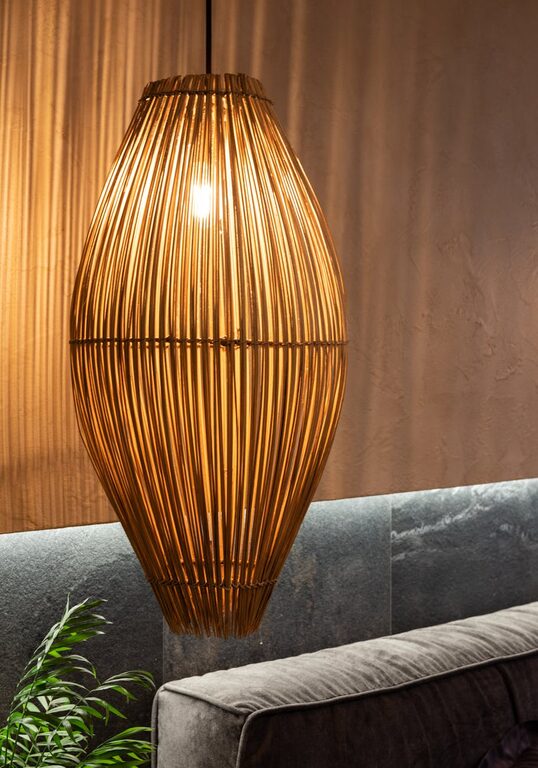
Creating a comfortable and inviting atmosphere in your home starts with good lighting. The right lighting can transform a space, making it feel warm, welcoming, and functional. However, choosing the perfect lighting is more than just picking pretty fixtures — it involves understanding brightness levels, color tones, placement, and the purpose of each room.
In this blog post, we’ll explore practical tips for selecting comfortable home lighting that meets your needs and enhances your living space.
Why Comfortable Lighting Matters
Proper lighting affects your mood, productivity, and even your health. Harsh or inadequate lighting can cause eye strain, headaches, or disrupt your daily routines. On the other hand, well-planned lighting can boost relaxation, focus, and overall comfort.
Whether you’re reading a book, cooking dinner, or entertaining guests, comfortable lighting makes all the difference.
Understand Lighting Basics
Before diving into specific tips, it’s important to get familiar with basic lighting terms:
– Lumens: Measure the brightness of light. Higher lumens mean brighter light.
– Kelvin (K): Measures the color temperature of light. Lower Kelvin values (2700K-3000K) create warm, cozy light; higher values (4000K-5000K) produce cooler, daylight-like light.
– CRI (Color Rendering Index): Indicates how accurately a light source shows colors compared to natural light. Look for a CRI of 80 or higher for comfortable lighting.
Tips for Choosing Comfortable Home Lighting
1. Consider the Purpose of Each Room
Different rooms require different lighting setups:
– Living Room: Use warm, soft lighting to create a relaxing atmosphere. Layer your lighting with overhead fixtures, floor lamps, and table lamps.
– Kitchen: Brighter, cooler lighting helps with tasks like cooking and cleaning. Use under-cabinet lights for focused illumination.
– Bedroom: Opt for adjustable lights with warm tones to support winding down. Consider bedside lamps or dimmable overhead lights.
– Home Office: Bright, natural light is best to reduce eye strain. Position task lights to avoid screen glare.
2. Layer Your Lighting
Combining different types of lighting enhances comfort and flexibility. The three main layers are:
– Ambient Lighting: General illumination for overall visibility (e.g., ceiling lights).
– Task Lighting: Focused light for specific activities (e.g., reading lamps, kitchen spotlights).
– Accent Lighting: Highlights decor or architectural features (e.g., wall sconces, LED strips).
Layering allows you to adjust lighting according to mood and needs.
3. Choose Light Bulbs Wisely
Selecting the right bulb impacts both comfort and energy efficiency.
– Consider LED bulbs for longevity and low energy use.
– Choose bulbs with appropriate brightness (lumens) and color temperature (Kelvin) based on the room’s function.
– Pick bulbs with high CRI to make colors appear natural and vibrant.
4. Use Dimmers and Smart Controls
Installing dimmer switches gives you control to adjust brightness based on time of day and activity. Smart lighting systems offer even greater convenience with options to change colors, set schedules, and control lights remotely.
5. Avoid Glare and Harsh Shadows
Uncomfortable lighting often comes from glare or shadows that strain the eyes.
– Use lampshades or diffusers to soften light.
– Position lights to avoid shining directly into your eyes.
– Balance light sources to minimize harsh contrasts.
6. Emphasize Natural Light
Maximize daylight where possible — it’s the most comfortable and healthy light source.
– Use sheer curtains to allow light while reducing glare.
– Arrange furniture to make the most of windows.
– Use light-colored walls and reflective surfaces to bounce natural light further into rooms.
7. Match Fixtures to Your Style and Needs
Comfortable lighting isn’t just about function — it should also complement your home’s style.
– Choose fixtures that provide the right amount of light.
– Consider adjustable or multi-directional fixtures for versatility.
– Keep safety in mind for places like stairways or hallways.
8. Test Before Committing
If possible, test bulbs or lamps in your space before buying in bulk. Lighting can look very different depending on room size, color, and furnishings.
Final Thoughts
Choosing comfortable home lighting involves a combination of understanding the purpose of each room, selecting the right bulbs and fixtures, and layering light sources for flexibility. Don’t forget the power of natural light and the convenience of dimmers or smart controls. With thoughtful planning, your home lighting will not only illuminate your space but also enhance your comfort and well-being.
Lighting is a simple yet effective way to make your home welcoming and enjoyable every day. Happy lighting!