
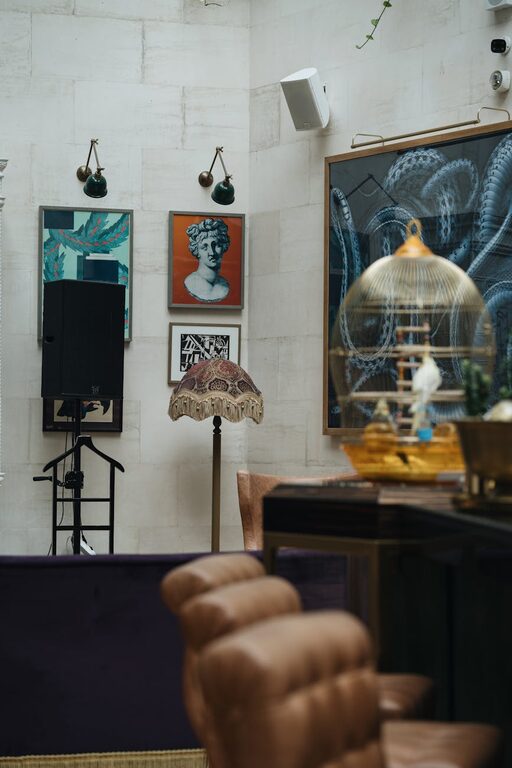
Creating a comfortable and inviting atmosphere starts with the right lighting. Whether you’re reading in your favorite chair or preparing dinner in the kitchen, good lighting can make a big difference in how you experience your home. Choosing the perfect lighting doesn’t have to be overwhelming—with a few simple tips, you can select options that blend style, comfort, and function seamlessly.
Why Comfortable Lighting Matters
Lighting affects not only the look of a room but also your mood and productivity. Harsh or poorly placed lights can cause eye strain, headaches, or a cold ambiance. Comfortable lighting contributes to relaxation and enhances the functionality of your spaces.
When planning your home lighting, consider several factors including the purpose of the room, the natural light available, and your personal preferences.
Understand Different Types of Lighting
Before selecting bulbs or fixtures, it’s helpful to understand the three main types of lighting:
1. Ambient Lighting
This is your room’s main source of light, providing overall illumination. Examples include ceiling-mounted lights, chandeliers, or wall sconces.
2. Task Lighting
Focused on specific activities like reading or cooking, task lighting helps reduce eye strain. Desk lamps, under-cabinet lights, and adjustable floor lamps fit this category.
3. Accent Lighting
Used to highlight artwork, plants, or architectural features, accent lighting adds depth and layers to your room.
Balancing these types within each space ensures that lighting is both effective and pleasant.
Tips for Choosing Comfortable Lighting
Consider the Purpose of Each Room
Different rooms have different lighting needs. For example, a kitchen requires bright, clear light for cooking, while a living room benefits from softer, warm lighting for relaxation.
– Living Room: Use a combination of ambient lights and accent lamps with warm light to create a cozy atmosphere.
– Kitchen: Opt for bright, cool white lights that enhance visibility.
– Bedroom: Choose dimmable lights or fixtures with warm tones to promote calmness.
– Bathroom: Bright, even lighting near mirrors is important for grooming tasks.
Opt for Adjustable Lighting
Dimmers, smart bulbs, or multiple light sources allow you to control brightness based on time of day or activity. Adjustable lighting gives you flexibility and can improve comfort throughout the day.
Choose the Right Color Temperature
Lighting color temperature is measured in Kelvins (K):
– Warm Light (2700–3000K): Soft, yellowish light ideal for relaxing spaces.
– Neutral Light (3500–4100K): Balanced white light good for kitchens or bathrooms.
– Cool Light (5000–6500K): Bright, bluish light similar to daylight, suited for workspaces.
Selecting the right color temperature enhances both comfort and functionality.
Pay Attention to Lighting Quality
Look for bulbs with a high Color Rendering Index (CRI) of 80 or above. High-CRI bulbs show colors more naturally and reduce eye strain.
Use Multiple Light Sources
Layering light from different fixtures reduces shadows and creates a comfortable environment. Combine overhead lights with lamps, sconces, or strip lighting for versatility and style.
Consider Energy Efficiency
LED bulbs consume less energy and last longer than traditional incandescent bulbs. Choosing energy-efficient options helps reduce your electricity bill while maintaining good lighting quality.
Practical Tips for Different Fixtures
Ceiling Fixtures
Choose fixtures that diffuse light evenly throughout the room. Fixtures with shades or frosted glass tend to soften light.
Floor and Table Lamps
These provide flexible task or accent lighting. Position lamps near seating areas or workspaces for convenient access.
Under-Cabinet Lighting
Great for kitchens or work desks, under-cabinet lighting illuminates surfaces without casting shadows.
Smart Lighting
Smart bulbs offer customizable colors and brightness levels, controlled via apps or voice commands. They’re ideal if you want to tailor your lighting environment easily.
Final Checklist Before You Buy
– Evaluate the natural light in your space throughout the day.
– Identify the primary activities for each room.
– Decide on the type and number of light sources needed.
– Select bulbs with appropriate color temperature and CRI scores.
– Consider energy-efficient and adjustable lighting options.
– Test lighting in-store if possible or check return policies.
Conclusion
Choosing comfortable home lighting enhances your living experience by creating a welcoming and functional ambiance. By understanding lighting types and thoughtfully selecting fixtures and bulbs based on your needs, you can transform any room into a comfortable haven. Remember, good lighting is an investment in both style and well-being.
—
I hope these tips help you bring the perfect glow to your home!