
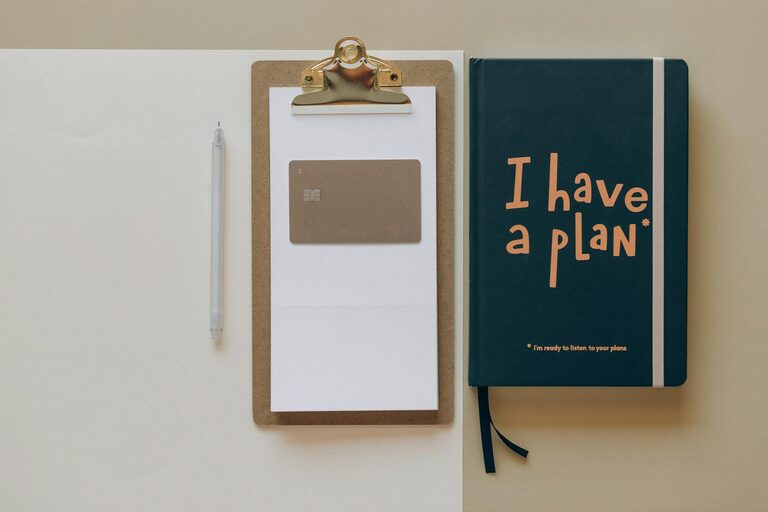
Managing your finances doesn’t have to be complicated or overwhelming. By adopting simple budget habits, you can take control of your money and create a sustainable routine that fits your lifestyle. Whether you’re saving for a goal, trying to reduce stress around bills, or just want to spend smarter, these everyday budgeting habits can help you build a stronger financial foundation.
Why Simple Budget Habits Matter
Creating a budget is often seen as a daunting task, but it’s really about forming small, manageable routines that guide your spending and saving decisions. Simple habits can:
– Prevent overspending by tracking expenses regularly
– Help you prioritize important expenses and goals
– Reduce financial stress by giving you a clear picture of your money
– Build a safety net by encouraging consistent savings
The key is consistency — making budgeting a natural part of your daily life rather than a monthly chore.
Start with a Clear Picture of Your Finances
Before diving into specific habits, it’s important to understand where your money is going.
Track Your Income and Expenses
Spend a week or two noting every dollar you earn and spend. You can use:
– A notebook or planner
– A spreadsheet
– Budgeting apps like Mint, YNAB, or PocketGuard
Tracking helps you spot patterns, identify unnecessary expenses, and recognize areas for improvement.
Calculate Your Monthly Cash Flow
After tracking, summarize your monthly income and total expenses. This cash flow overview tells you if you’re living within your means or spending more than you earn.
Simple Habits to Build a Budgeting Routine
1. Set Monthly Spending Limits
Assign spending limits for different categories such as groceries, dining out, transportation, entertainment, and essentials. These limits guide your daily decisions and help avoid overspending.
2. Use the Envelope System (Even Digitally)
This classic budgeting method involves dividing your cash into “envelopes” for each spending category. While many people now use debit cards, you can replicate this digitally by:
– Creating separate accounts or virtual “buckets”
– Using apps designed for envelope budgeting
This habit reinforces discipline and makes you more mindful about spending within limits.
3. Prioritize Saving First
Treat savings like a monthly bill you must pay. Automate transfers to your savings account right after payday, even if the amount is small. This habit helps you build emergency funds, prepare for big purchases, or invest for the future without feeling the strain.
4. Review Your Budget Weekly
Set aside 10 to 15 minutes once a week to review your spending, adjust categories if needed, and plan for any upcoming expenses. Regular reviews help catch mistakes early and keep your budget accurate and useful.
5. Plan Meals Ahead
Food costs can quickly blow your budget if you’re not careful. Planning meals before grocery shopping helps:
– Reduce impulse buys
– Avoid food waste
– Save money by cooking at home
Try meal prep or batch cooking to make the process easier and save time during busy weekdays.
6. Limit Impulse Purchases
Impulse buying is one of the biggest budget busters. To control it:
– Use a waiting period rule (e.g., wait 24 hours before a non-essential purchase)
– Make a shopping list and stick to it
– Unsubscribe from marketing emails that tempt you to spend
These small steps add up to big savings.
Additional Tips to Boost Your Budgeting Success
Use Cash Back and Rewards Wisely
If you use credit cards, opt for ones with cash back or rewards programs—but only if you pay off the balance in full each month. This habit can provide extra savings or perks without debt.
Keep an Emergency Fund
Aim to save at least three to six months’ worth of living expenses. An emergency fund can prevent you from going into debt if unexpected costs arise.
Practice Mindful Spending
Before making purchases, ask yourself:
– Do I really need this?
– Can I find a cheaper alternative?
– Will this add value or joy to my life?
Mindful spending helps focus your budget on what truly matters.
Simplify Your Finances
Keep your bills, accounts, and subscriptions organized. Cancel unused memberships, consolidate accounts if possible, and automate bill payments to avoid late fees.
Final Thought: Small Habits Lead to Big Change
Budgeting isn’t about restricting yourself—it’s about creating freedom and peace of mind with your finances. By incorporating these simple budget habits into everyday life, you’ll gradually develop a healthier relationship with money and gain confidence in your financial decisions. Start small, be consistent, and watch your budget habits grow over time.