
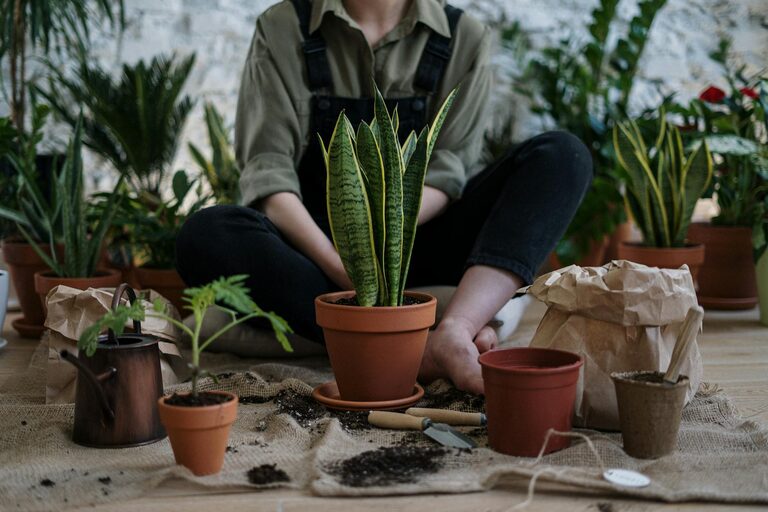
Growing herbs indoors is a rewarding and accessible way to add fresh flavors to your meals throughout the year. Whether you have a spacious kitchen or a cozy apartment, starting a small indoor herb garden can be both fun and practical. This guide will walk you through the essential steps to grow healthy herbs successfully, from selecting the right plants to ongoing care.
Why Grow Herbs Indoors?
Indoor herb gardens offer many benefits:
– Freshness: Pick herbs anytime you need them for cooking.
– Convenience: No need for outdoor space or seasonal limitations.
– Air Quality: Many herbs improve indoor air by adding a bit of greenery.
– Decoration: A small herb garden adds natural beauty to your home.
Choosing the Right Herbs
Start by selecting herbs that grow well indoors and suit your cooking preferences. Some popular choices for beginners include:
– Basil: Great for Italian dishes and salads.
– Parsley: Versatile and easy to grow.
– Mint: Refreshing flavor, but keep in a separate pot as it spreads easily.
– Thyme: Hardy and aromatic.
– Chives: Mild onion flavor, perfect for garnishes.
– Cilantro: Popular in many cuisines, though it prefers cooler conditions.
What You Will Need
Before planting, gather these essentials:
– Containers: Choose pots with drainage holes. Herbs don’t like “wet feet,” so good drainage is key.
– Potting Soil: Use a high-quality, well-draining potting mix designed for indoor plants.
– Seeds or Seedlings: Beginners may find starting with seedlings easier, but seeds offer a more cost-effective option.
– Watering Can: A small watering can or spray bottle is handy for gentle watering.
– Sunlight or Grow Lights: Most herbs need 6-8 hours of light daily. A bright windowsill or supplemental lighting works well.
Step-by-Step Guide to Starting Your Indoor Herb Garden
1. Choose Your Location
Find a spot in your home that receives ample natural light, such as a south-facing windowsill. If natural light is limited, consider using LED grow lights that mimic sunlight. Herbs generally need at least 6 hours of light per day to thrive.
2. Prepare the Containers
Select pots that fit comfortably in your chosen space. Fill each container with fresh potting soil, leaving about an inch of space at the top for watering.
3. Planting Your Herbs
– From Seeds: Follow the seed packet instructions for planting depth. Gently press the seeds into the soil and water lightly.
– From Seedlings: Make a small hole in the soil, place the seedling carefully, and cover the roots with soil. Firm the soil gently around the plant.
4. Watering
Herbs prefer moist but not soggy soil. Water when the top inch of soil feels dry. Avoid overwatering to prevent root rot, which is common in indoor plants.
5. Fertilizing
Feed your herbs with a balanced, water-soluble fertilizer every 4-6 weeks during the growing season. Follow package directions to avoid overfeeding.
6. Pruning and Harvesting
Regular trimming encourages bushier growth and keeps plants healthy. Harvest leaves in the morning for best flavor. Avoid cutting more than one-third of the plant at a time.
Tips for Success
– Rotate pots regularly to promote even growth.
– Keep an eye out for pests such as aphids or spider mites. Use natural methods like insecticidal soap if needed.
– Use well-aerated soil and avoid compacted soil to help roots breathe.
– Try companion planting by grouping compatible herbs together.
Troubleshooting Common Issues
– Leggy Plants: Often caused by insufficient light. Provide more light or move your plants closer to the window.
– Yellow Leaves: Can indicate overwatering or poor drainage.
– Slow Growth: May be from lack of nutrients; consider fertilizing or refreshing soil.
– Wilting: Usually a sign of underwatering or root problems.
Enjoy Your Homegrown Herbs
With patience and care, your indoor herb garden can thrive and provide you with a fresh supply of flavorful herbs for cooking, garnishing, and even making natural teas. Plus, growing herbs indoors is a lovely way to connect with nature and enjoy gardening year-round, no matter where you live.
Start small, experiment with different herbs, and watch your miniature garden flourish! Happy gardening!